

There’s a common conception that high usage spots must also be high priority.
While hotspots might host significant traffic, not all traffic is created equally. In Telco, it’s common to see 80% of traffic come from 20% of cell locations. However, high usage and high priority aren’t necessarily mutually inclusive.
Supporting all customers and ensuring quality service is a part of network operations. But how we perceive and support customers has shifted. As such, the golden rule of “fixing the busiest sites first” is now conditional element of network support.
Here, we’ll examine common scenarios in today’s landscape, elaborate on our position, and touch on how we approach solutions at Kenmei.
The High-Traffic Fallacy
Not all heavy-usage sites deserve top priority. In fact, some of the busiest locations may offer little strategic value.
Consider this: a stadium packed with viewers streaming videos is noisy, but not mission-critical. In contrast, a hospital cell handling moderate data may support life-saving telemetry. This is why relying solely on traffic volume can mislead.

Research shows AI-driven analytics can identify customers up to five times more likely to churn due to poor network service. By focusing on high-risk areas—even those with limited traffic—networks can reduce capex by 5–10% and boost sales conversions by up to 15%.
Today’s operators should know that meaningful enterprises or emergency services deserve more attention than those overloaded casual video streaming.
In short, impact beats volume when prioritizing where to invest network resources.
Why “High Traffic” Doesn’t Equal “High Priority”
Consider a packed stadium with many users capturing and streaming video. It consumes bandwidth fast, but it’s not mission-critical.
Now, picture a hospital cell running moderate data. Needs include supporting professional communication and live telemetry for patients, including those arriving in ambulances. Prioritizing bandwidth there saves lives, not just stream rates.
Telefónica’s 5G-connected ambulances in Palma de Mallorca show this in action. Using network slicing and “Premium Quality,” life-saving information, like ECG data, vital signs, and high-definition video stream in real-time from ambulance to hospital, even under heavy network loads.
In today’s networks, traffic volume is a poor proxy for impact. High-value use cases—emergency services, healthcare, or public safety—require top priority. Moving forward, operators must focus on where reliability matters most.
Of course, all paying customers deserve to have the level of service you promise. Fortunately, modern tools make the path for optimal service for all kinds of customers much clearer.
The New Rules of Prioritization
Traffic alone no longer determines priority. Leading operators now weigh value from multiple angles. This means considering critical services, user experience, business impact, and even peak-time events.
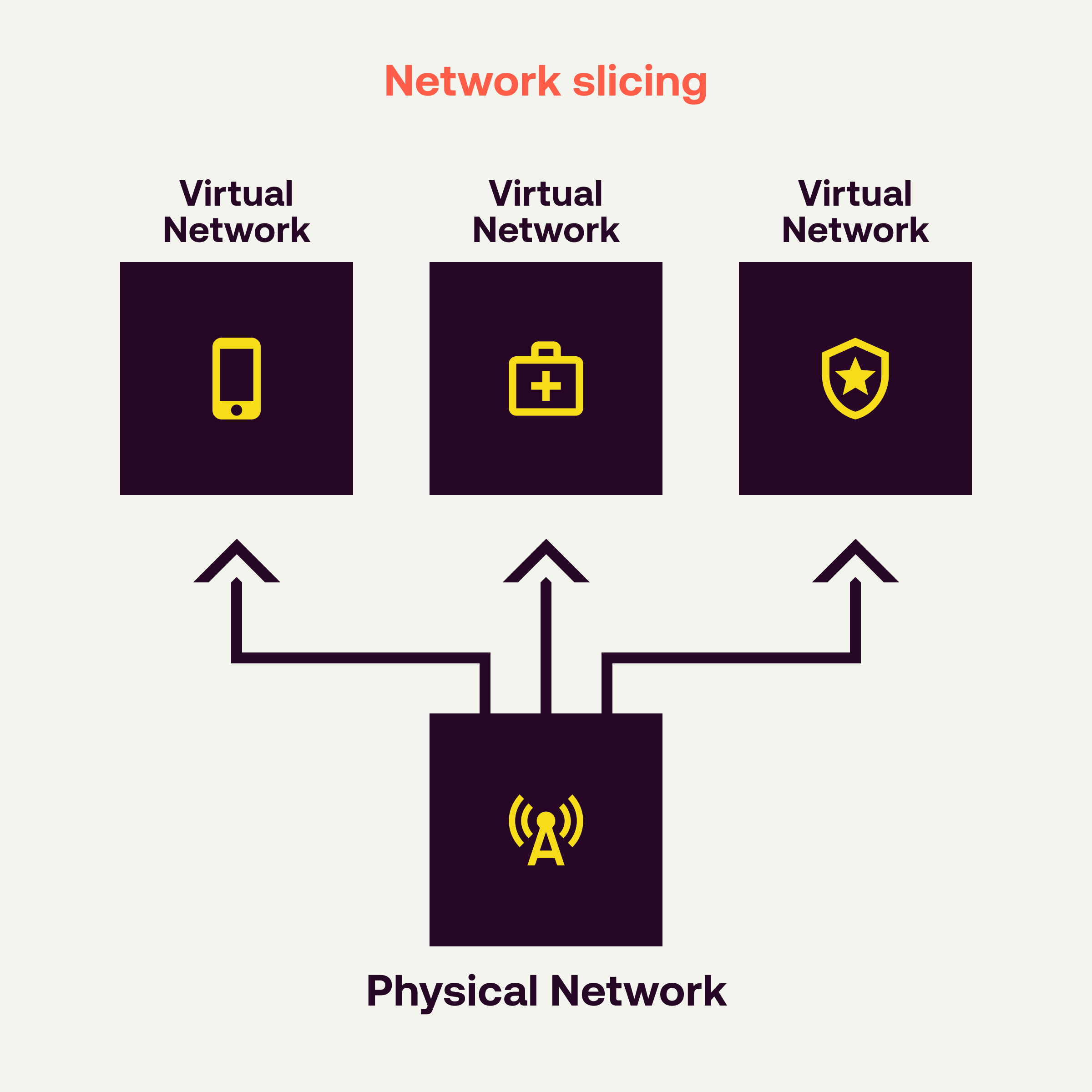
Network slicing is a key enabler of this shift. As Ericsson explains, slicing transforms one 5G network into multiple virtual instances. Here, each is optimized for specific needs like reliability, low latency, or higher security. This allows operators to support both standard mobile users and mission-critical applications, like emergency services, on the same infrastructure.
A smarter approach blends these criteria:
- Criticality. Prioritizing sites serving hospitals or transport hubs
- Customer Impact. Focusing on areas with high churn or premium users
- ROI & Strategic Value. Targeting regions where upgrades boost revenue or market share
- Elasticity for Events. Preparing zones for temporary demand spikes, like festivals or rush hour flow
By applying this multi-factor framework, operators invest where it makes the greatest difference. Best of all, smarter prioritization and more precise optimizations mean more efficient usage.
The Role of Technology Enablers in Modern Prioritization
Smart prioritization requires data, speed, and precision, made possible by modern AI tools.
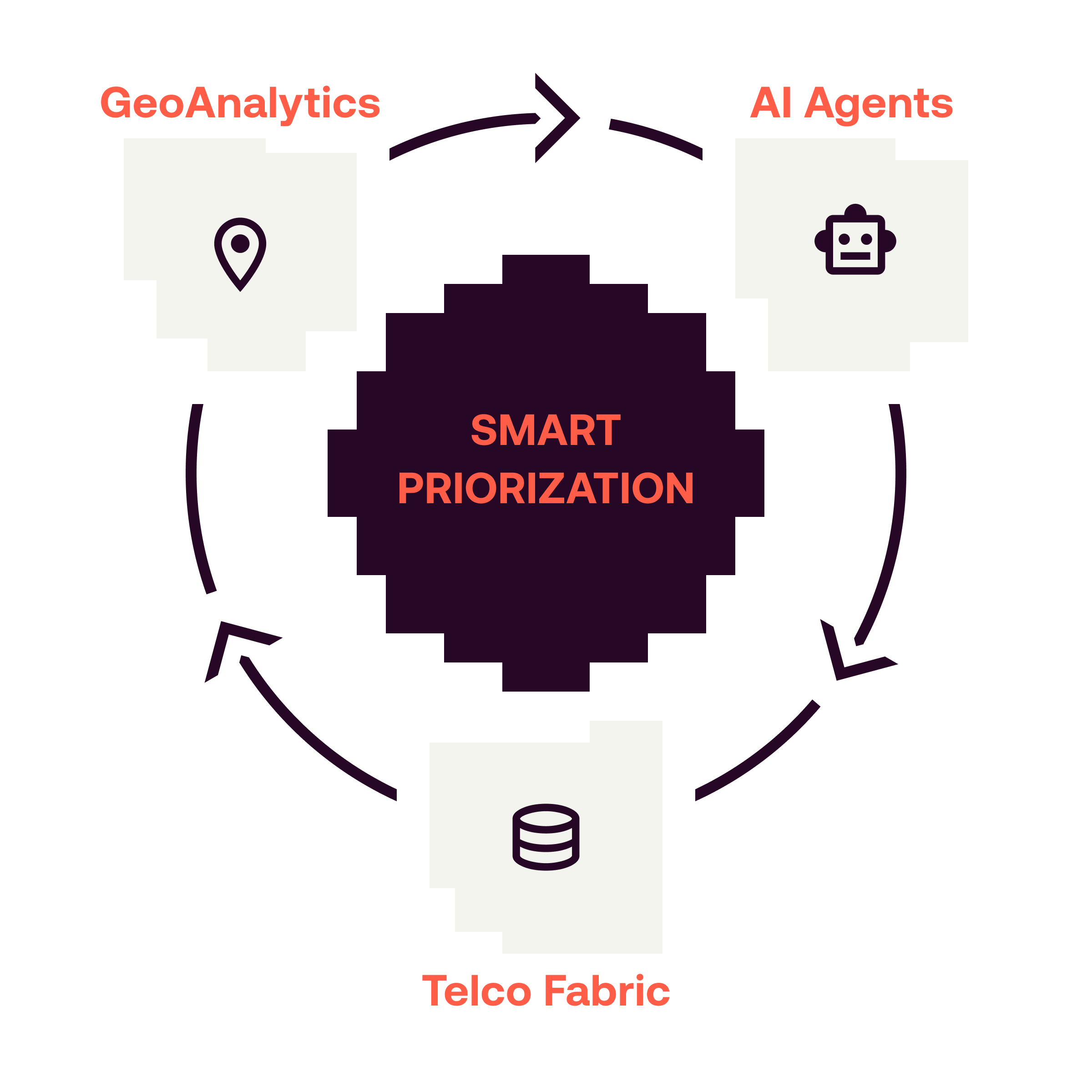
Kenmei’s Geo-Analytics solution uses cloud-based geolocation and mapping to analyze performance by area, like hospitals, campuses, or roads. It enables operators to target, understand, and maintain service where it truly matters.
Underneath that, the Telco Fabric unifies data from 40+ sources. This open, scalable system brings call traces, counters, OSS, and billing together for vastly improved context. This makes it easy to build prioritization models that mix technical, business, and contextual metrics.
Kenmei’s Autonomous AI Agents maximize responsiveness by continuously monitoring and automatically optimizing for network performance. Keeping priority zones healthy reduces OPEX, and often improves conditions for low-priority areas.
Together, these technologies let operators move from guesswork to intelligent, automated prioritization.
Real-World Strategy Shifts
We previously discussed Telefónica’s connected ambulances. Now, let’s look at two more real-world cases:
1. A1’s SARA AI for CapEx Efficiency. The Austrian operator, A1, deployed “SARA” (Superior Analytics of RAN) to guide 5G investment. Instead of half-informed decisions, SARA analyzed congestion and business goals to prioritize sites. The system now helps A1 reduce capex while focusing on what matters most to users and the business.
2. T-Mobile Uses Geo-Analytics for Coverage ROI. Kinetica helped the US-based provider, T-Mobile, overcome planning challenges using a geospatial analytics engine capable of simultaneously processing 90 billion location points. Using cell data to gather building-level insights and ultra-high-resolution visual maps, teams learned exactly where coverage upgrades would yield the greatest impact.
Both examples show how AI and real-time analytics help telcos prioritize for value, not just volume.
We Help You Make Better Decisions with Greater Clarity
High traffic doesn’t always mean high importance. In fact, it often hides what matters most, like critical services, churn-prone users, and growth opportunities.
With tools like AI agents, geoanalytics, and the Telco Fabric, operators can now prioritize based on impact, not just volume.
At Kenmei, we help operators shift from reactive processes to proactive planning that improves performance where it counts.
Want to rethink your prioritization strategy?
Download the Smart Prioritization Guide for a ready-to-use scoring model and practical next steps.

.jpg)